
Des McCabe can help you to license your training courses, services or products! |
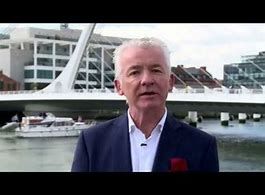
Des McCabe is the world's number one licensing specialist . Over the last 12 years he has helped hundreds of businesses, individuals and entrepreneurs to create and build global commnities of licensees. It's an amazing passive income and legacy model.
ON THIS PAGE
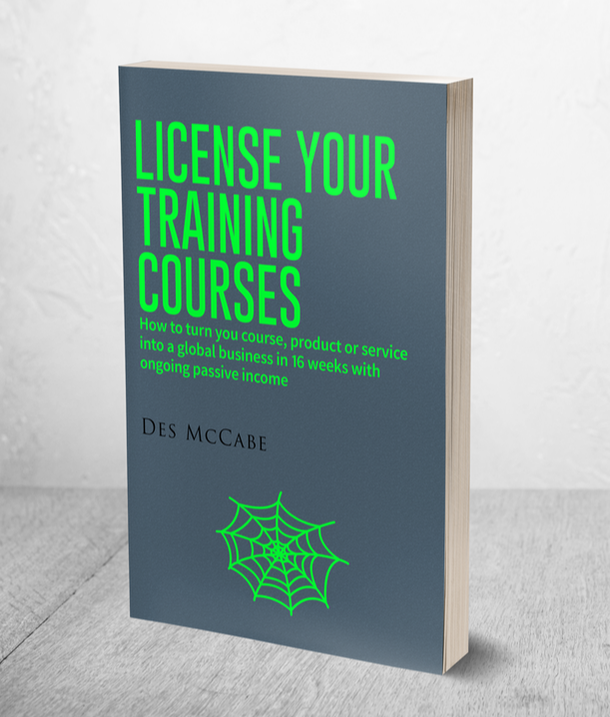
You can download a FREE copy of Des's book
'License your Training Courses'.
You can book one of Des's famous ONE HOUR LICENSING
STRATEGY SESSIONS - at no cost.
You can see how Des can personally help you to get
THE COMPLETE LICENSING PROCESS up and running in 16 weeks.
|

|
|
Yes, you can download a FREE copy of Des McCabe's essential guide 'License Your Training Courses' How to turn your course, product or service into a global business in 16 weeks with ongoing passive income CLICK HERE 'the number one book on licensing'
NO EMAIL REQUIRED |
|

|
|
Yes, let's get started with
a free ZOOM chat! How can I help? What questions have you got for me? I offer a free one hour licensing strategy call to help you to look at licensing. This is not a sales call. I am simply trying to help you make a real difference with the work you do. I have met hundreds of amazing people! Licensing is a low-cost way of developing your business, building your customer base, extending your reach and increasing income. It's a process that continues to build steadily beyond the set-up phase as your licensees become established, additional licensees are added and renewals click-in for the second year. Start now! Let's get you moving! Just return the form. We can set up a free Zoom chat - wherever you are based. |
|
You can also email Des - diversiton@gmail.com or drop him a note on Linkedin
If iyou need to chat urgently please call or text Des directly on 44 (0) 7717 203325
If iyou need to chat urgently please call or text Des directly on 44 (0) 7717 203325
|

|
|
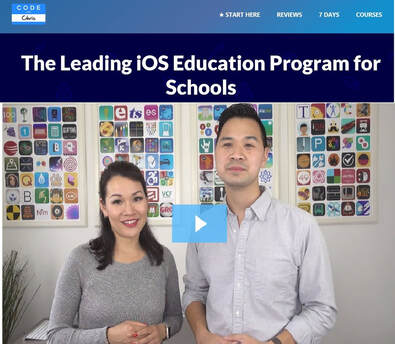
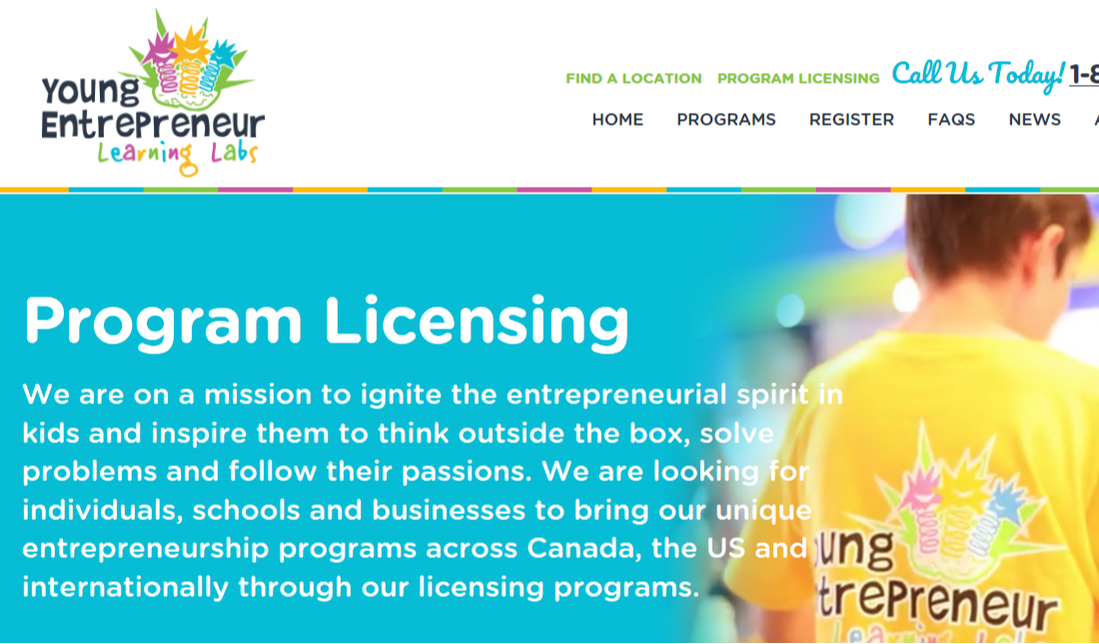
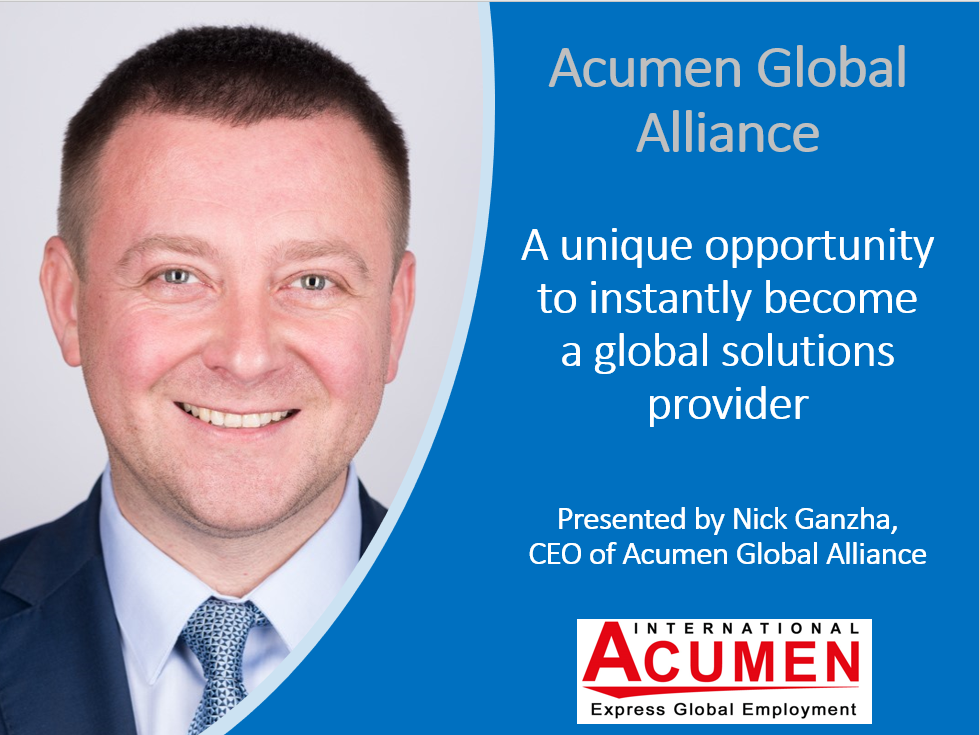
Just some of Des's global clients....
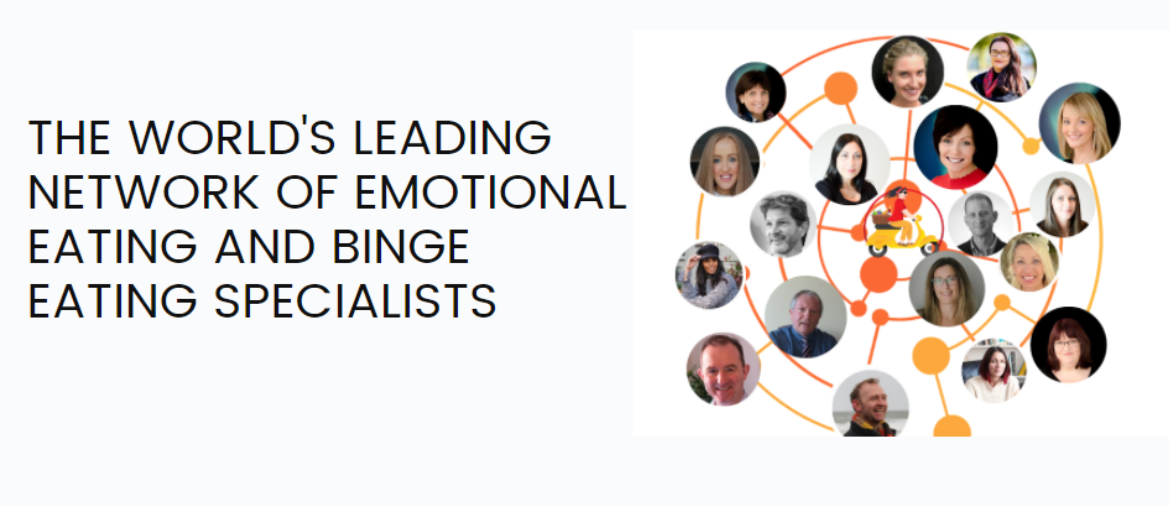
Client case-study - www.eatingfreely.com
|
|
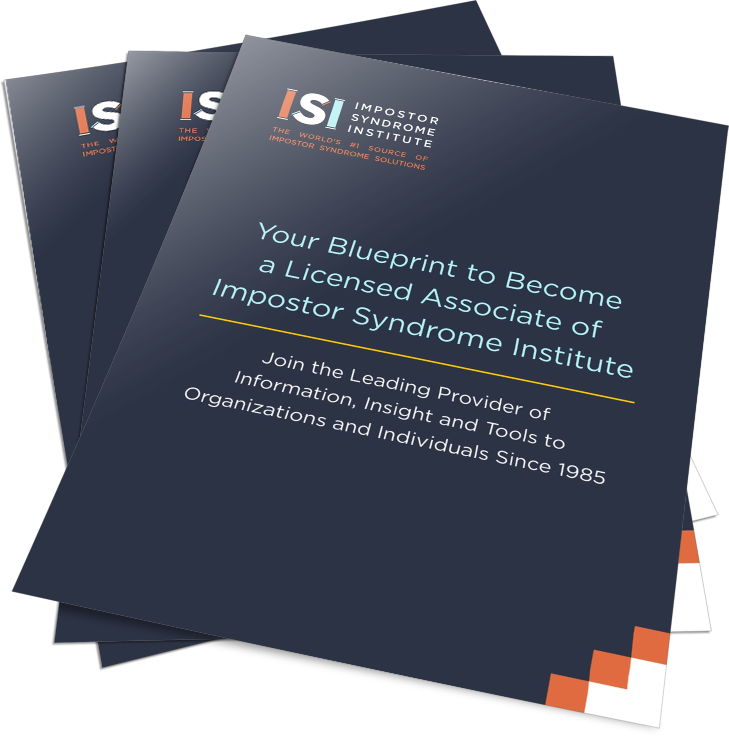
Client case-study - www.impostorsyndrome.com/licensing/
|
|
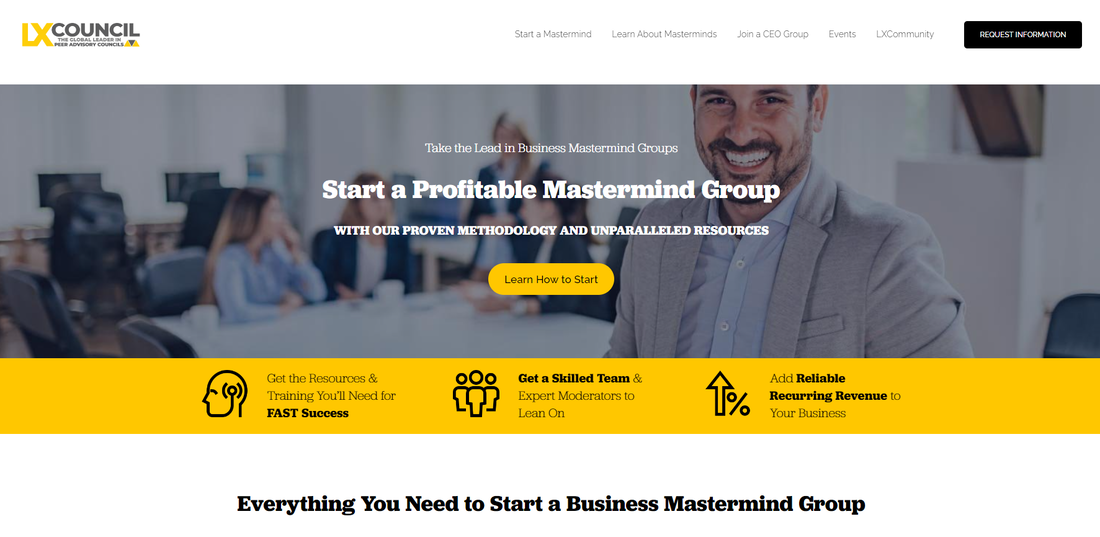
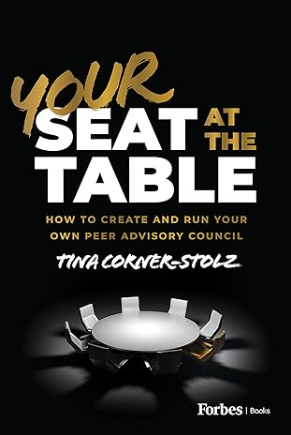
Client case-study - www.lxcouncil.com
|
|
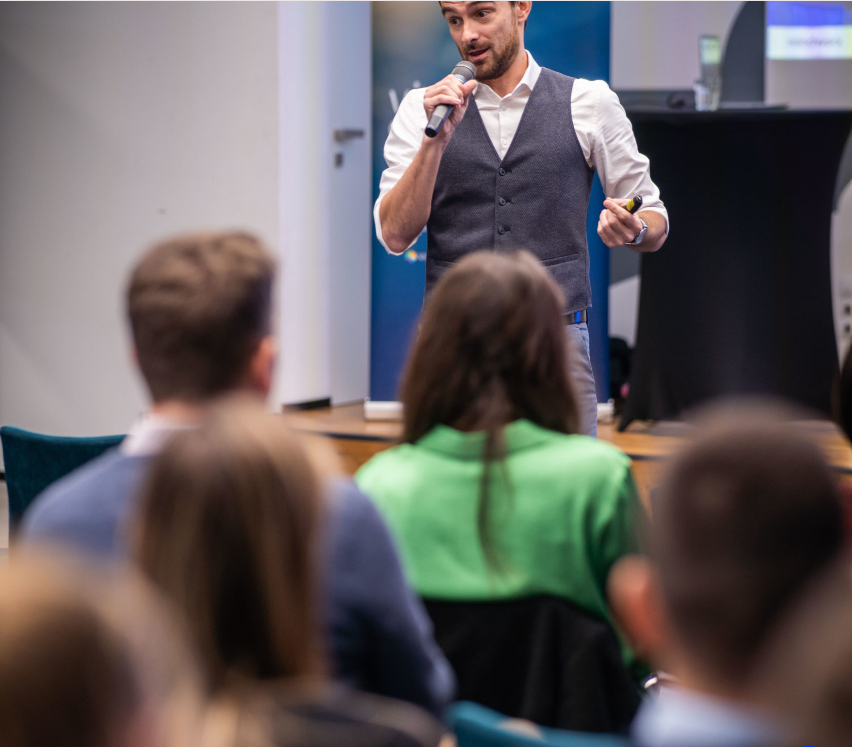
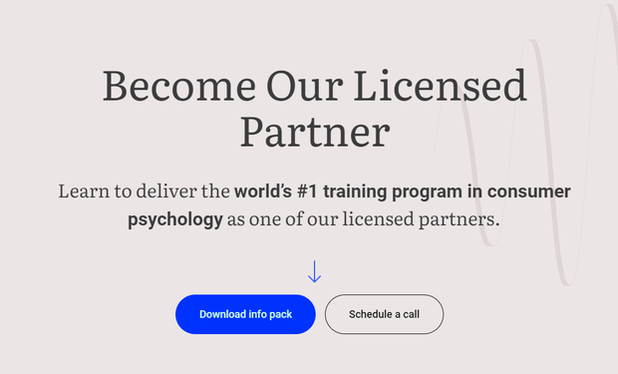
Client case-study - www.mindworx.net
|
|
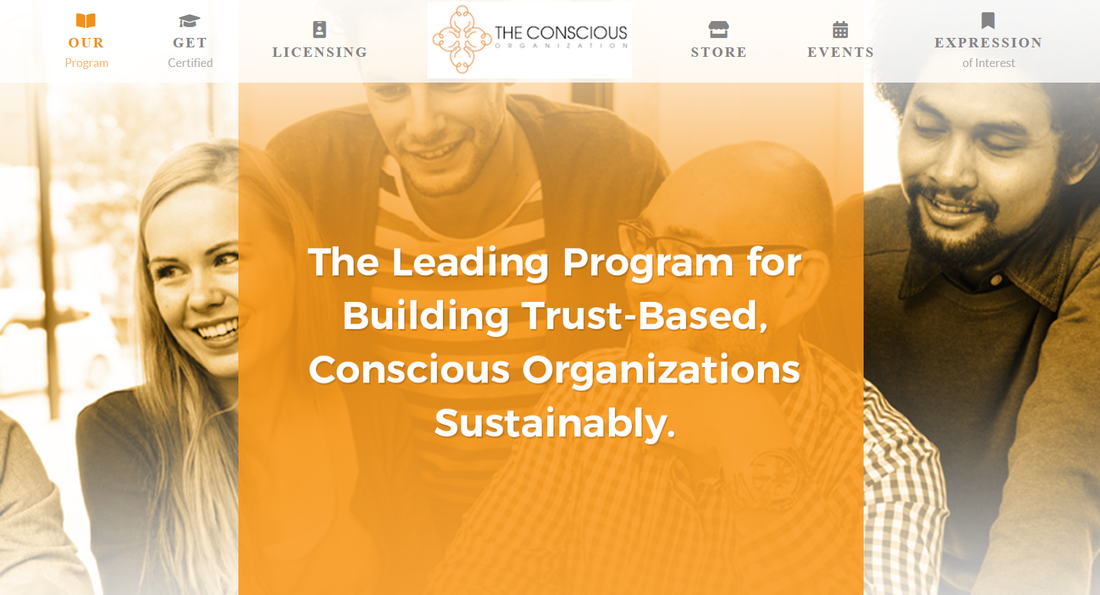
Client case-study - www.theconsciousorganization.co
|
|
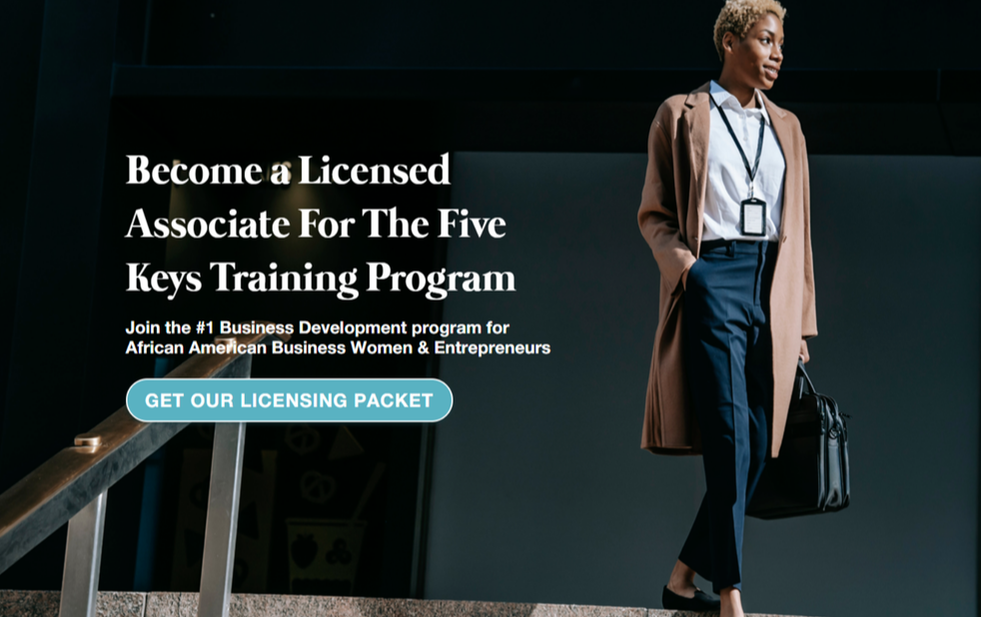
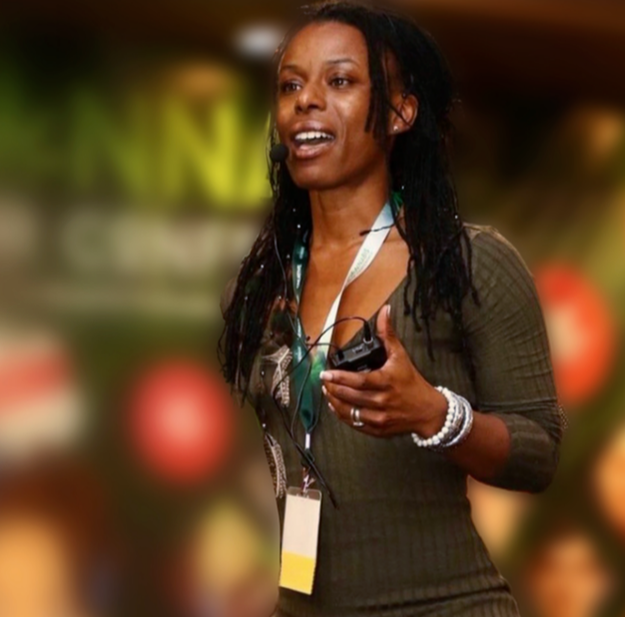
Client case-study - www.expectmoretraining.com
|
|
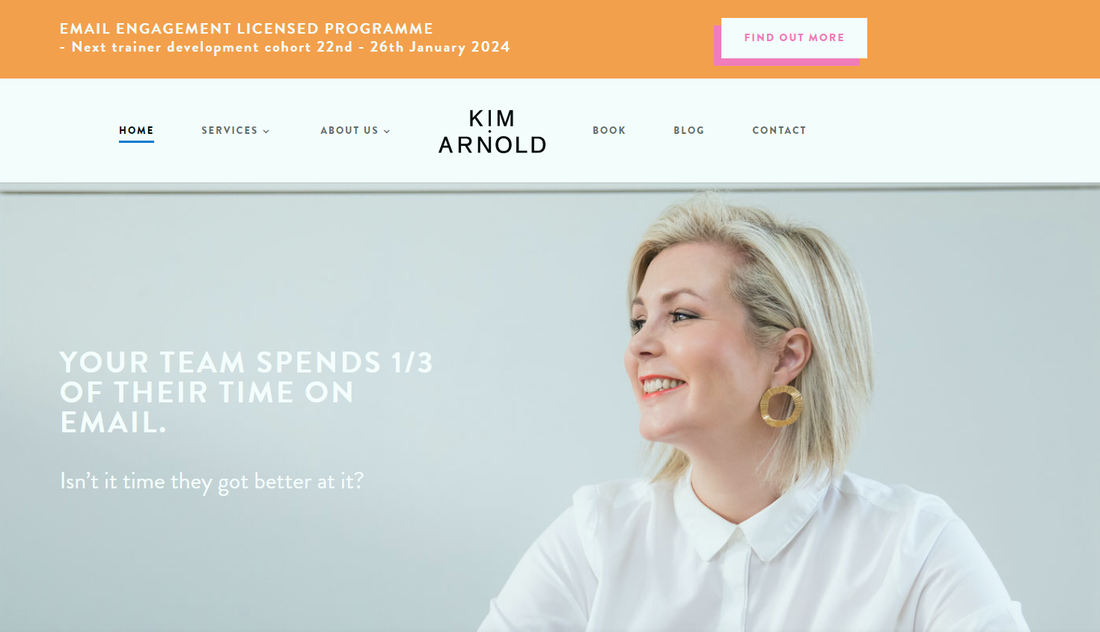
Client case-study - www.kimarnold.co.uk/email-engagement/

|
|
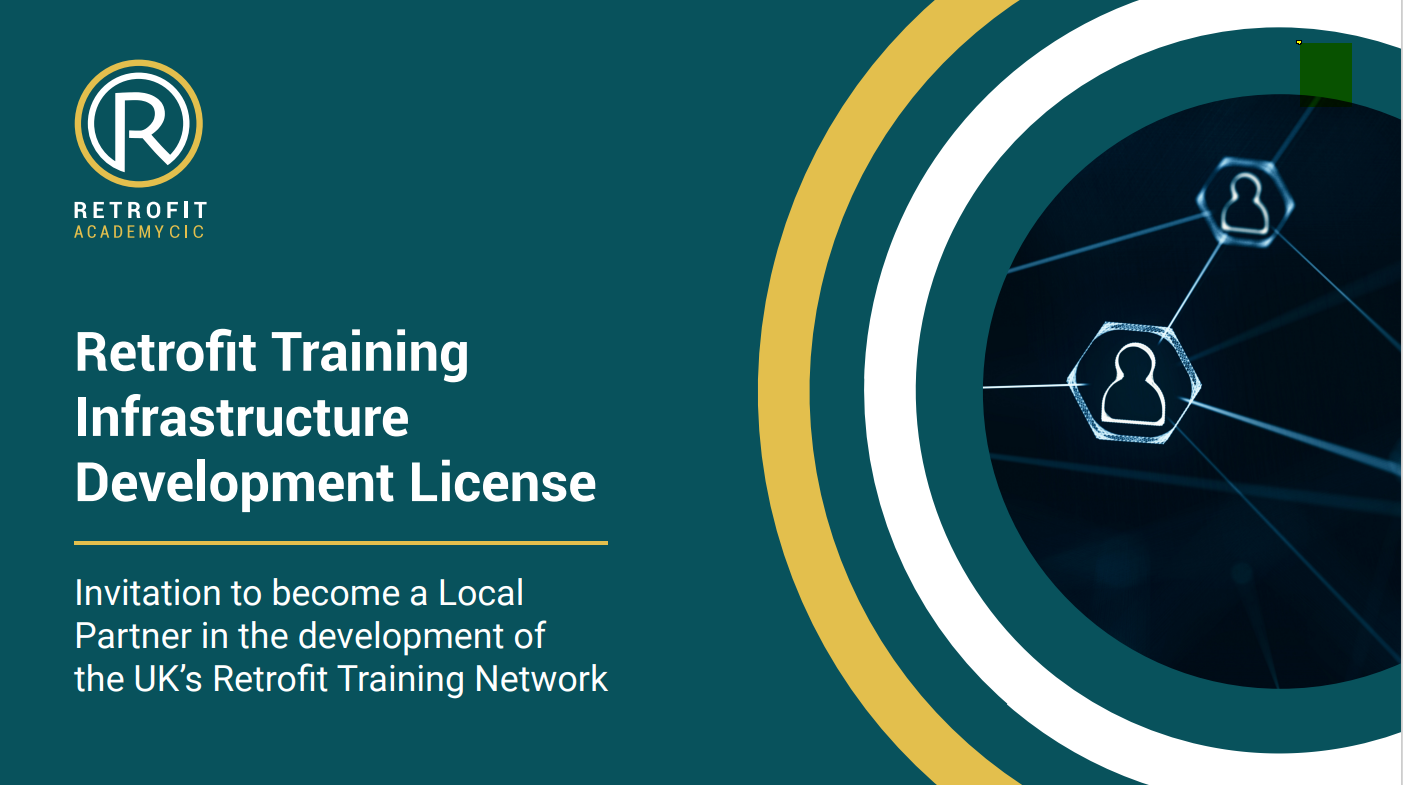
Client case-study - retrofitacademy.org/uk-retrofit-training-network
|
|
Client case-study - www.parentingapartprogramme.co.uk

|
|
|
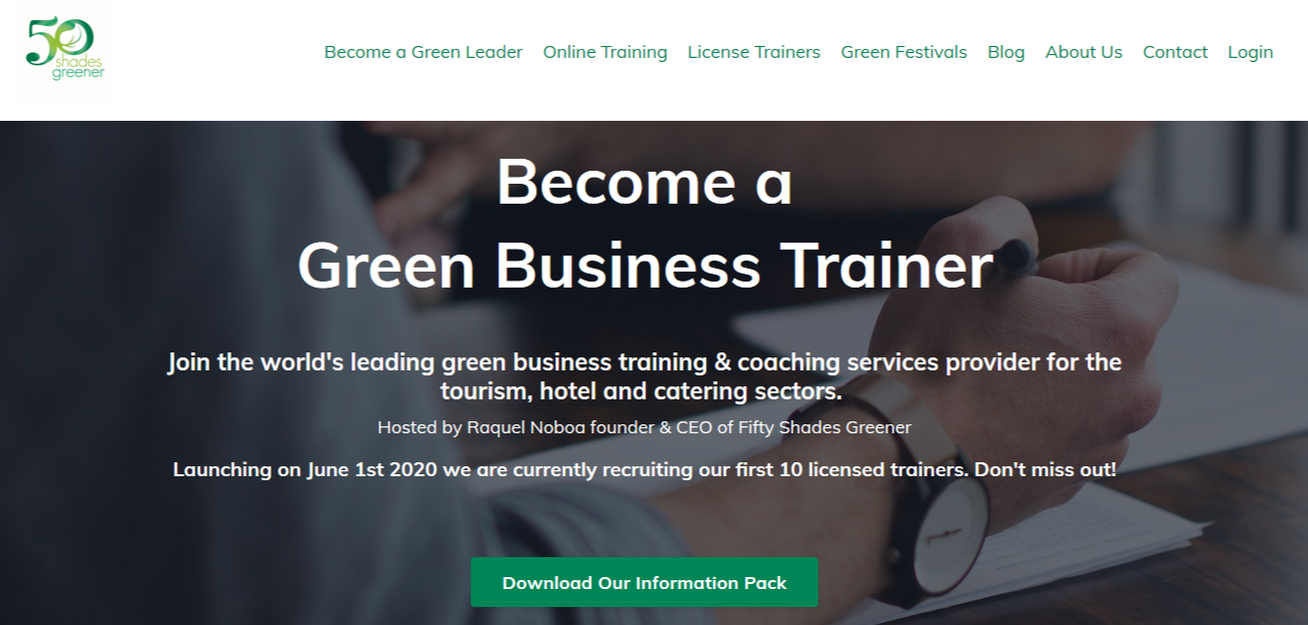
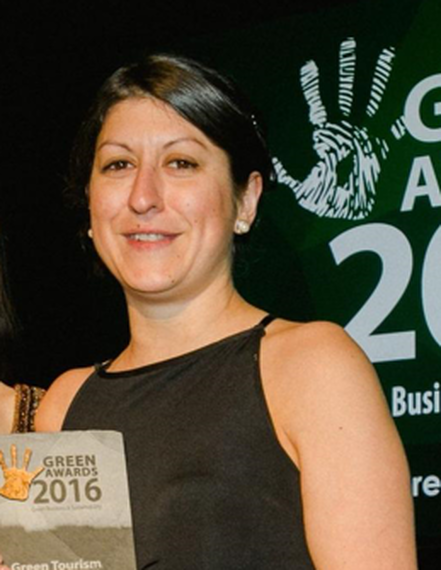
Client case-study - www.fiftyshadesgreener.ie
|
|
And many others....
|
|

|
|
|
|

|
|

|
|
|

|

|

|
|
|

|

|
|
|

|

|

|
|



|
|
|
|
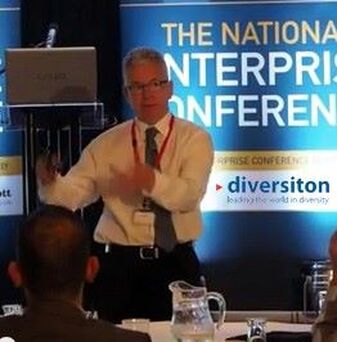
Des McCabe - Bespoke Licensing training and support
|
Des can help you to recruit your first batch of licensees within 4 months with a bespoke intensive coaching and mentoring process. He works across the world and has helped many businesses - in the U.S., Canada, U.K., Ukraine, Germany, U.A.E., Ireland, Slovakia, Africa and New Zealand. Des is also a popular conference speaker and advisor on Business development strategies for many clients and organizations around the world. |
The Benefits of Licensing - just a few!
|
- Licensees pay up front in oder to be part of your network.
- You can build national/international coverage for your business quickly. - No need to recruit staff or open new offices. - Development of a global community to promote your message, values and vision. - Creation of additional and growing income stream(s). - Builds your brand quickly and professionally. - Fast set-up time - license structures can be up and running within 16 weeks. - Offers long term sustainability with repeat license fees AND passive income - growing year after year!! - Gives you the opportunity to give back and leave a real legacy from your life's work. |
|


|
Work it Out! is part of Diversiton and is non profit making.
Copyright © Des McCabe 2010-2023 ALL RIGHTS RESERVED.
Copyright © Des McCabe 2010-2023 ALL RIGHTS RESERVED.